 Tierra Roja Noticias
Las familias de Koreeda, en pantalla: siete historias para mirar distinto
Desde el duelo hasta los vínculos que no se.Repasar siete películas del director japonés disponibles en plataformas de streaming, con personajes querenewcommand las formas de querer y de estar juntos.
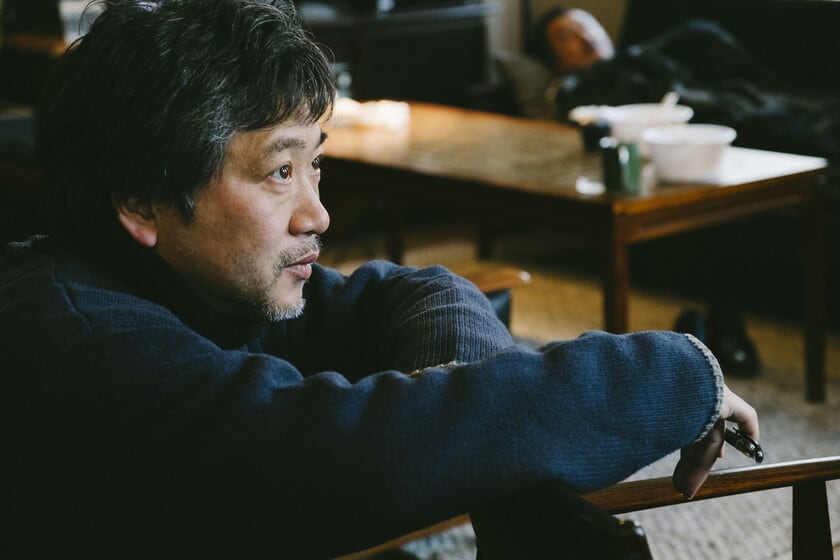
Cuando Hirokazu Koreeda pone una cámara en una cocina o deja que un pasillo se quede en silencio, la familia aparece menos como una Blood and bones, than as a group of people who are trying to stay together when everything has changed. That is the central fascination of his filmography: the director works from daily life, from meals, illnesses, absences and reunions, and from there builds stories where the important thing is not what is said, but what remains suspended between the words.
The selection of seven films available on streaming platforms allows a journey through three decades of his work, from his fiction feature debut, Maborosi, in 1995, to Un asunto de familia, the 2018 film that won the Palme d’Or at Cannes. In between, there are stories of abandoned siblings, dead parents, chosen families and children whose bonds with their parents cannot be explained by biology alone.
Maborosi: el duelo que empieza antes del funeral
Koreeda’s feature fiction debut tells the story of grief and its consequences with a restrained staging that already announces many of the features of his later work: meaningful silences, observation without judgment, and emotions that emerge without the need for obvious displays. Maborosi presents domestic spaces not as mere scenery, but as places where loss takes shape and where the surviving learn to reorganize their lives.
- Maborosi (1995): el duelo y sus ramifications, con una puesta en escena serena y contenida.
- After Life (1998): personas recién fallecidas eligen un único recuerdo para llevarse al más allá, en una historia que mezcla imaginación y burocracia cotidiana.
- Nadie sabe (2004): cuatro hermanos abandonados en un departamento de Tokio; Yûya Yagira ganó el premio a mejor actor en Cannes con apenas 14 años.
- Still Walking (2008): una familia tradicional se reúne para conmemorar la muerte de un hijo mayor, con los diálogos cotidianos y los silencios que pesan.
- De tal padre, tal hijo (2013): dos familias descubren que sus hijos fueron intercambiados al nacer y deben decidir cómo reorganizar sus vidas; Premio del Jurado en Cannes.
- Nuestra hermana pequeña (2015): tres hermanas reciben la visita de una media hermana de quince años tras la muerte del padre que las había abandonado.
- Un asunto de familia (2018): un grupo de personas sin lazos convive en los márgenes de Tokio y encuentra una forma de hacerse familia; Palma de Oro en Cannes.
Nadie sabe and Still Walking mark two of the clearest approaches to the filmmaker’s recurring concerns. The first, inspired by real events, follows four siblings left in a Tokyo apartment, and made Yûya Yagira the youngest winner of the best actor award at Cannes. The second moves to a family gathering held in memory of an older son, where ordinary conversation becomes a way of measuring everything that remains unsaid across the years.
De tal padre, tal hijo and Nuestra hermana pequeña push the question even further. In the former, the discovery that two babies were switched at birth forces two families to consider whether parenthood is defined by biology or by upbringing. In the latter, the arrival of a younger half-sister after the death of the father who had abandoned the three sisters allows the film to treat trauma with warmth, without underlining it.
“Lo que me interesa no es tanto explicar una familia como mostrar cómo se construyen los vínculos, incluso cuando no hay sangre de por medio.”Hirokazu Koreeda
Un asunto de familia, the closing film in this selection, brings those chosen bonds to the screen in a story set on the margins of Tokyo. The Palme d’Or confirms the international recognition of a director whose strength lies in holding scenes together with quiet attention, allowing contradictions, silences and small gestures to carry the emotional weight.
For Argentine viewers, these titles are an invitation to spend an evening with stories that do not need grand gestures to move us. They can be watched in sequence, as a personal retrospective, or one at a time, according to the platform where each film is currently available. Because the streaming catalog changes over time, it is best to check the platforms before sitting down: and to prepare something simple to eat, because Koreeda’s characters always end up around a table.
Comentarios
0Todavía no hay comentarios. Sé el primero.